
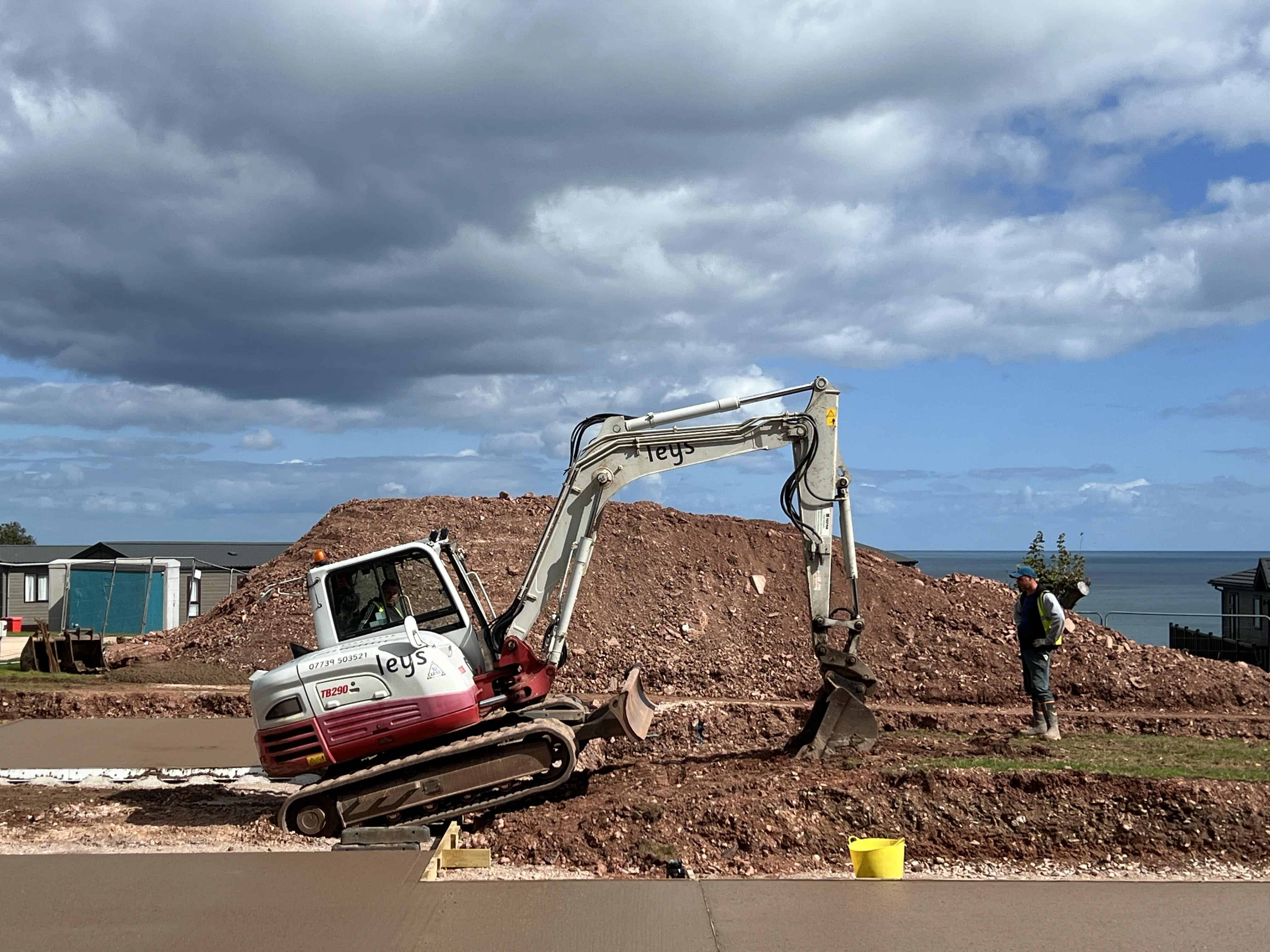
The construction industry is inherently high-risk, and safety is a top priority. In the UK, the Construction (Design and Management) Regulations 2015, commonly referred to as CDM Regulations, provide a framework to ensure that health, safety, and welfare are considered throughout the lifecycle of a construction project.
What Are CDM Regulations?
CDM Regulations apply to virtually all construction projects, from large commercial developments to smaller domestic jobs. Their main goal is to reduce risks and improve safety by clearly defining roles, responsibilities, and processes for everyone involved: from clients and designers to contractors and workers.
The regulations cover three main areas:
- Planning and Management
- Competence and Training
- Communication and Cooperation
Key Roles Under CDM
CDM Regulations assign specific responsibilities to key parties:
- Client: The individual or organisation commissioning the work. They must ensure adequate resources, time, and competent duty holders are appointed.
- Principal Designer (PD): Oversees the pre-construction phase, identifying hazards and ensuring that designers minimise risks.
- Principal Contractor (PC): Manages the construction phase, ensuring safe work practices, coordinating contractors, and maintaining the site safety plan.
- Designers: Must eliminate or reduce risks through design choices and communicate potential hazards to contractors.
- Contractors and Workers: Must follow procedures, use equipment safely, and report hazards.

CDM Regulations and Groundworks
Groundworks, such as excavation, foundation digging, and drainage installation, are some of the highest-risk activities on a construction site. CDM Regulations are especially critical in this phase, as trenches, heavy machinery, and soil conditions pose significant hazards. Groundworks contractors must carefully plan and document methods to prevent collapses, manage access and egress, and ensure safe use of plant and machinery. Risk assessments, construction phase plans, and ongoing site supervision are all essential to comply with CDM and protect workers during these foundational stages.
Key Requirements
- Risk Assessments and Method Statements
Every project requires a documented plan of how work will be carried out safely. This includes assessing risks and setting out mitigation measures. - Construction Phase Plan
For projects lasting longer than 30 working days or involving more than 20 workers simultaneously, a detailed construction phase plan is mandatory. It includes safety procedures, emergency arrangements, and coordination strategies. - Health and Safety File
A Health and Safety File is prepared at the end of the project by the Principal Designer. It provides important information for future maintenance, renovations, or demolition work. - Notification to the Health and Safety Executive (HSE)
Projects expected to last more than 30 working days with 20+ workers, or exceeding 500 person-days, must be formally notified to the HSE.
Why CDM Is Important
- Prevents accidents: Identifying risks early saves lives and reduces injuries.
- Improves project efficiency: Safe, well-managed projects avoid delays and additional costs.
- Legal compliance: Non-compliance can lead to heavy fines, project shutdowns, or criminal liability.
- Promotes professionalism: Demonstrates that your business prioritises safety and quality, building trust with clients and workers.
Examples of CDM Failures Leading to Collapse or Injuries
🔹 Wall Collapse at a Construction Site in Poole
In this recent UK case, a groundworks‑related collapse occurred at a construction site on Old Coastguard’s Road, Poole. Workers were back‑filling a newly constructed blockwork wall before the mortar had fully set. Because there was no temporary works plan or adequate management under CDM 2015, the wall gave way and crushed a worker against the concrete floor of an excavation. The company was fined £100,000 for breaching CDM Regulations 13(1) and 19(1), which require effective planning and steps to prevent structural collapse during works.
🔹 First‑Floor Structural Collapse During Remedial Work (London)
In a London incident, part of a first‑floor beam‑and‑block structure collapsed during remedial work, seriously injuring four workers. The Health and Safety Executive (HSE) found that the company failed to properly plan, manage, and inspect temporary works under CDM Regulation 19. This lack of adequate oversight and temporary works control directly contributed to a collapse that could have been prevented.
🔹 Retaining Wall Collapse in Bath
Another tragic example involved a retaining wall that gave way on a construction site in Bath, crushing a worker. An HSE investigation concluded that poor planning and supervision meant the wall became unstable. The employer failed to follow CDM requirements for temporary works design and risk mitigation.
🔹 Temporary Platforms and Structural Failures (Historic Cases)
Other cases show temporary platforms and unsupported structures collapsing because they were not designed, checked, or supervised in line with CDM duties, resulting in serious injuries and large fines for the companies involved.

What These Incidents Teach Us
These real examples highlight common themes when CDM isn’t properly implemented:
- Lack of planning and risk assessment: details like how structures will behave under load are sometimes overlooked.
- Inadequate temporary works procedures: temporary supports or structures that aren’t properly designed or checked can fail unexpectedly.
- Poor coordination and supervision: multiple contractors or activities that are not coordinated lead to overlooked hazards.
- Failure to prepare proper documentation, RAMS, and safety plans: without these, duty holders often miss obvious risks.
All of these elements are explicit responsibilities under the CDM Regulations because they directly reduce the chance of collapse and protect workers and the public.
Practical Tips for Compliance
- Appoint competent duty holders early in the project.
- Keep clear, updated documentation of risk assessments and method statements.
- Train all workers on site-specific risks and safe work procedures.
- Maintain open communication between designers, contractors, and clients.
- Regularly review and update safety plans as the project evolves.
Conclusion
CDM Regulations are more than just legal requirements, they are a framework for safe and efficient construction. By understanding and implementing CDM principles, businesses protect their workforce, reduce project risks, and demonstrate professionalism. Compliance is not only a legal duty, it’s a commitment to safety and quality in every construction project.
